Pittsburgh’s AI Data Center Boom: What It Means for Local Businesses

Call Us to Learn How to Use AI to Help Your Business in Ways You Never Would Have Thought
May 11, 2026
NIST Releases a Free, Plain-English Cybersecurity Guide for the Smallest Businesses
November 24, 2026Pittsburgh’s AI Data Center Boom: What It Means for Local Businesses
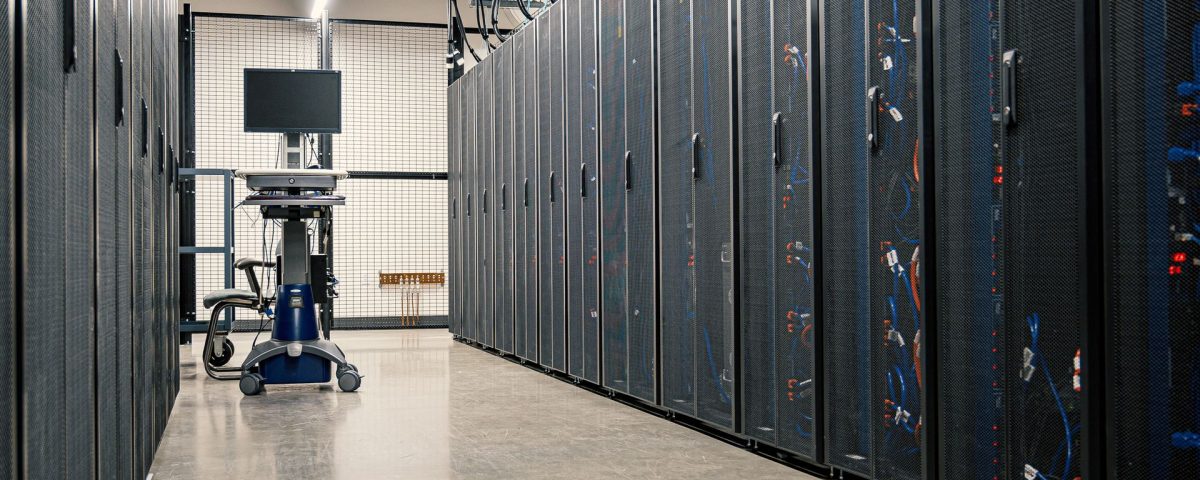
Western Pennsylvania’s role in the AI boom got a lot more concrete this year. A large AI data center is now running just outside Pittsburgh, more are proposed across the region, and the state has set new rules for how they get built.
New Kensington’s data center is live
In late August, AI infrastructure company TECfusions announced that its New Kensington campus is up and running, providing computing power for artificial intelligence and other high-performance workloads. The site, about 30 miles northeast of Pittsburgh, is the former Alcoa Technical Center property in Upper Burrell Township, roughly 1,400 acres in all. The company plans to grow it to as much as three gigawatts of capacity over time.
It’s one of many projects in the pipeline. The Pittsburgh Technology Council has projected that Pennsylvania’s data center capacity could grow from under 200 megawatts today to more than 7,000 megawatts by 2036.
Pennsylvania’s new rules
On August 18, Governor Josh Shapiro signed Executive Order 2026-05, which ties state permitting for large data centers to a set of standards called the Governor’s Responsible Infrastructure Development (GRID) Requirements. Under the order, the Department of Environmental Protection only reviews permit applications from developers who make legally binding commitments to those standards and have local approval. It also takes AI data centers out of the state’s fast-track permitting process, bans nondisclosure agreements on these projects and pushes developers to pay for the power grid upgrades they need.
The order has drawn support from a mix of labor, industry and environmental groups. Some critics argue it doesn’t go far enough, and some local communities remain wary of the noise, water and energy demands that come with large facilities.
What it means for your business
- More local tech jobs and investment. Construction, electrical, networking and operations work tends to follow these projects, along with the companies that support them.
- Keep an eye on energy costs. The state’s order specifically cites rising electricity capacity prices in the regional grid as a concern. If power is a big line item for you, it’s worth watching.
- You don’t need a data center to use AI. For most small and mid-sized businesses, the practical way in is through tools you may already pay for, such as Microsoft 365 Copilot, AI features in your phone system or AI built into your line-of-business software.
- The basics still matter most. AI tools are only as safe as the accounts and data behind them. Multi-factor authentication, good permissions and reliable backups come first.
We can help
Preferred IT Solutions helps Pittsburgh-area businesses figure out where AI actually fits, and makes sure the security and infrastructure underneath it are solid. Whether you’re curious about Copilot or just want a second opinion, our IT consulting team can help. Call us at (412) 517-6777 or send us a message.
Sources
- WPXI: TECfusions data center in New Kensington now up and running (Aug. 27, 2026)
- Office of the Governor: Executive Order on data center development
- DLA Piper: Pennsylvania executive order establishes state compliance framework for data centers
- Capital Analytics: Pittsburgh chases America’s next AI data-center hub